Task Analysis - A new, national health program
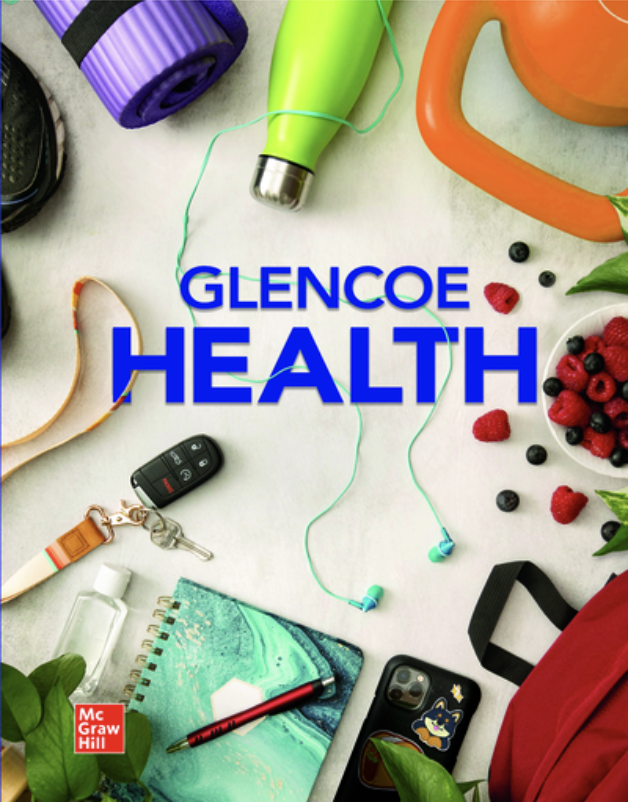
Leveraging insights from more than 25 interviews, multiple surveys, and concurrent concept testing to shape a health program specifically tailored to the needs of health teachers.
Employer
McGraw Hill
Year
2024
Project background
A cross-functional team built a first-of-its-kind digital-first curriculum and health program. Shifting from a print-first model (textbook first, digital adapted after) to digital-led design.
The goal: bring a new product to market by deeply understanding users’ workflows, goals, needs, and pain points.
Phase 1 - Desk Research
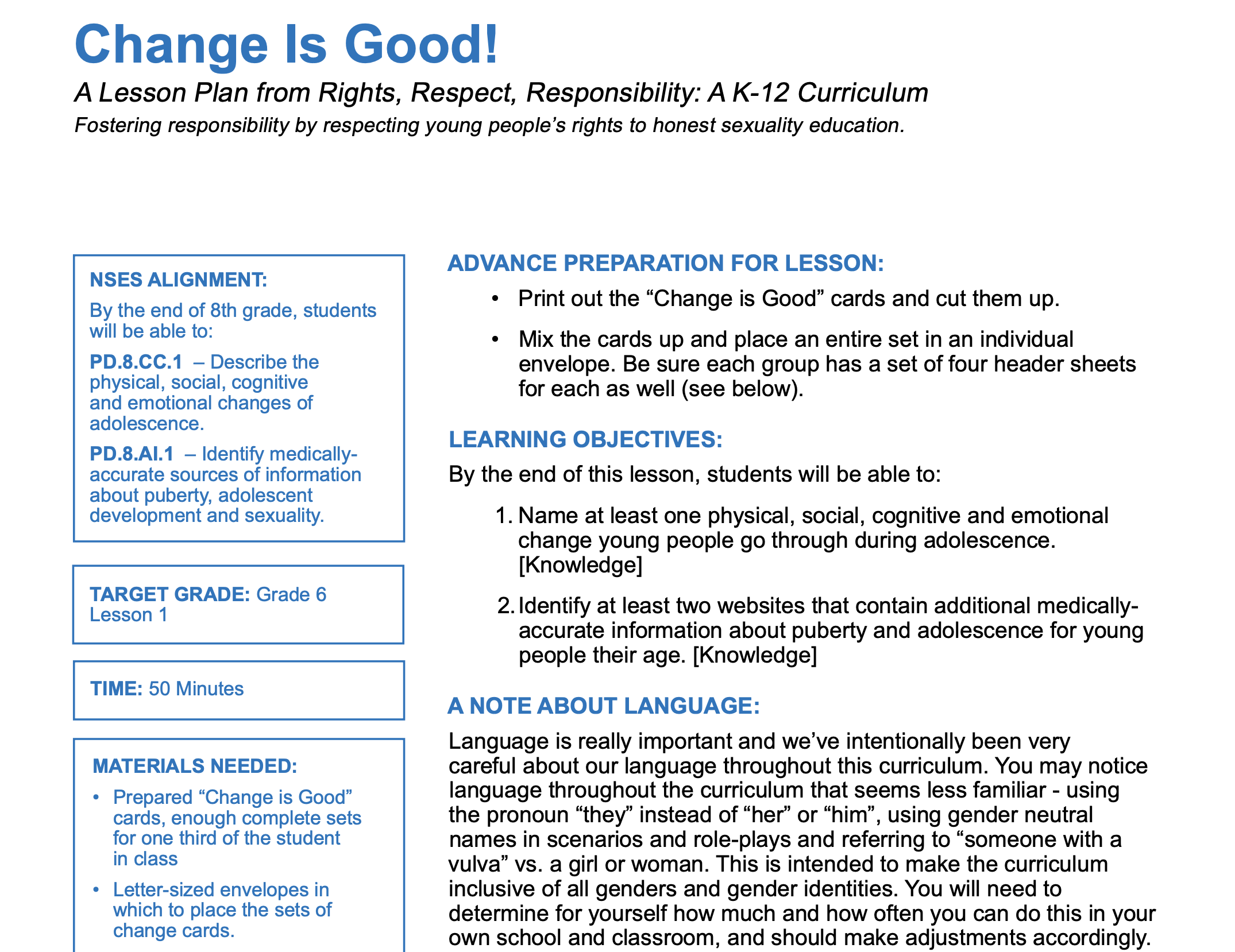
We contracted a part-time employee to conduct desk research analyzing different curriculums across the nation. We created a rubric differentiating different subjects, grades, and topics. This syllabi laid the groundwork for questions to launch in the survey. We identified areas of interest and contrasted the teams expectations against what was found in the syllabi review.
Phase 2 - Survey
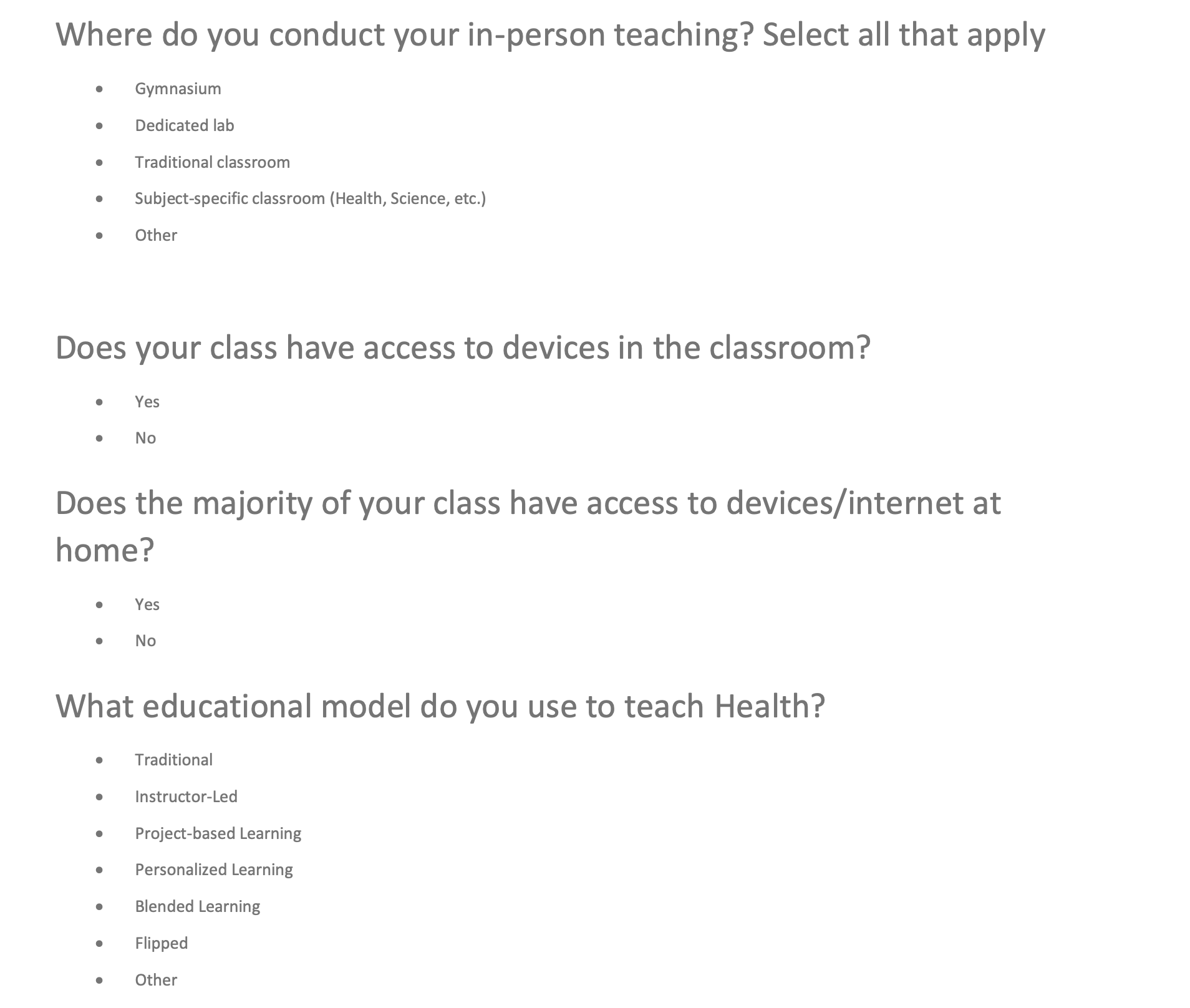
The second phase involved launching a survey with the aim of uncovering resource usage, schedules & class sizes, pain-points, and goals.
As the product team was still making the case to leadership for the program, it was important to understand market size and potential opportunity. The survey would help highlight that information.
Phase 3 - Task Analysis
Working with the product team, we used the survey data to determine the target participants and the specific tasks we wanted to explore.
Once aligned, we conducted virtual task analysis sessions in which teachers walked us through their most recent lesson, screen-sharing all the digital resources they used (which turned out to form the backbone of their instructional approach). They also were able to show any physical resources when needed.
All tasks were then mapped and synthesized into a cohesive overview.
Phase 4 - UX alignment
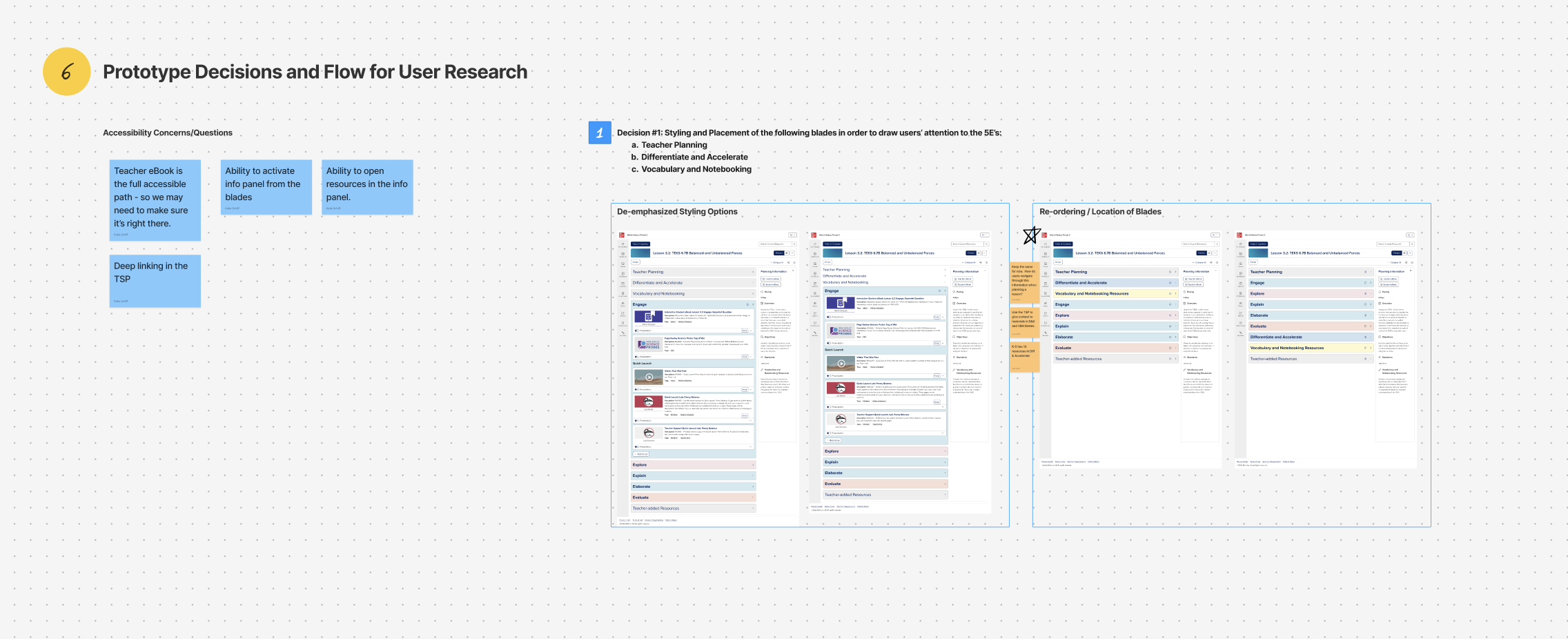
This project coincided with a major redesign of the Learning Management System (LMS), which adopted a new front-end framework.
The Health team maintained close contact with this research to inform our own concurrent research, ensuring alignment with the capabilities of the updated system
Deliverables, Impact, and Insight
A comprehensive slide deck and presentation were delivered, highlighting key insights from the survey and walking through the real-world task of teaching a health lesson. Physical and virtual artifacts were included to illustrate the various steps and stages involved. These artifacts also highlighted specific opportunities for McGraw Hill to develop new resources or refine existing approaches. The research findings provided sufficient evidence for leadership to approve bringing the Health program to market.
The Health team developed a standards-aligned, activity-based program. This approach most closely matched the teachers’ instructional goals and required fewer investments in supplementary resource types, many of which quickly became outdated or failed to accommodate the variable schedules typical of health classes.
Additionally, the 25 task analysis interviews uncovered a widely used, teacher-created resource that served as the cornerstone of participants’ curricula. This resource was largely unknown to our product teams and was in direct oppostiion with one of our primary selling component.